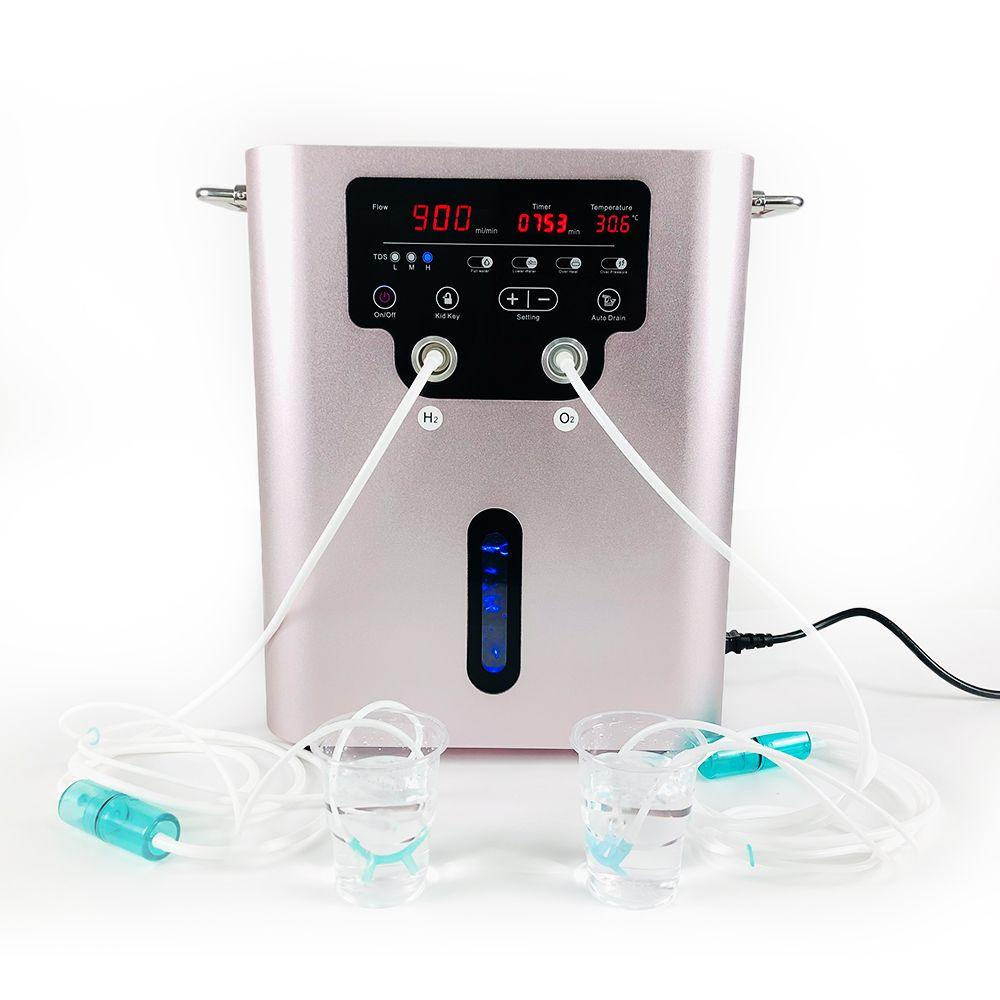
AO Hydro — Hydrogen and Oxygen Technology
AO Hydro was presented as a device designed to generate hydrogen and oxygen gases through electrolysis.
Its main distinguishing feature, as described in the session, is its ability to provide different gas outputs.
Three Output Options
| Output | Description |
|---|---|
| Hydrogen | Hydrogen-only gas output |
| Oxygen | Oxygen-only gas output |
| Combined gas | Hydrogen and oxygen together, referred to in the session as Brown’s gas |
Hydrogen Concentration Discussion
The session claimed that a concentration of approximately 150–600 parts per million was an optimal range for hydrogen utilization.
It also suggested that greater concentrations would not necessarily produce greater benefits.
Brown’s Gas
Brown’s gas was described as a mixture of hydrogen and oxygen produced through electrolysis.
The session discussed using the mixture for water infusion and external applications.
Hydrogen-oxygen mixtures can present serious fire and explosion hazards. Do not improvise gas connections, inhalation setups, or sealed treatment bags.
External Gas Applications
An example involving tennis-elbow discomfort was presented.
- Gas was reportedly delivered into a sealed covering around the affected area.
- Individual sessions reportedly lasted approximately 45 minutes.
- Improvement was described after five sessions.
This was a personal observation, not evidence that this treatment reliably resolves tennis elbow.
7. AO Hydro — Internal Components and Operation
Electrolyzer
The electrolyzer was described as the central component responsible for producing hydrogen and oxygen.
Its main elements include:
- Positive electrode.
- Negative electrode.
- Proton exchange membrane (PEM).
Proton Exchange Membrane
The PEM helps separate gas production within the electrolyzer.
The session emphasized membrane quality as an important consideration for durability and gas production.
It claimed that some competing membranes deteriorate within 30–60 days, whereas an AO Hydro prototype had operated for over six years.
Power Regulation
An internal circuit board was described as regulating:
- Voltage.
- Amperage.
- Electrical delivery to the electrolyzer.
- Consistency of gas production.
Water Used in the Device
The session specified:
- Preferred: Deionized water.
- Alternative: Distilled water.
- The water in the electrolyzer reservoir is used for gas production.
- Reservoir water is not intended for drinking.
- Separate purified drinking water was recommended for any water-infusion application.
Filters
The device was described as accepting one or two filters.
The filters were said to modify the water and improve hydrogen generation.