Connecting the Dots: Understanding the Relationship Between Inner Voice, Vitals & Intelligent Scan Combined
Understanding the Body as an Interconnected System
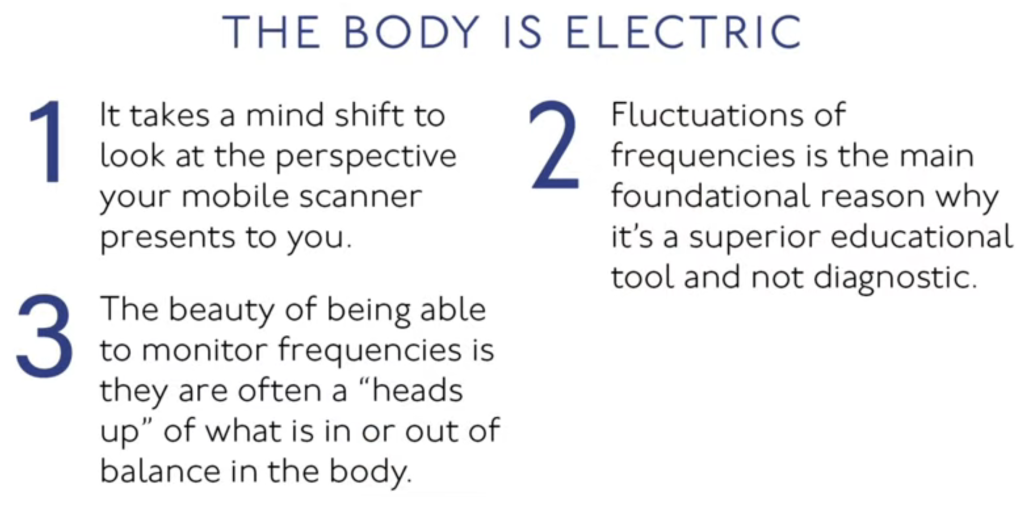
One of the most important concepts when working with AO Scan is learning to view the body as a whole rather than as a collection of separate organs, glands, and systems.
The human body operates through interconnected electrical, chemical, neurological, and physiological processes. Changes in one area can influence other areas.
AO Scan uses a frequency-based wellness framework to organize information about different aspects of the body and encourage exploration of possible wellness-support strategies.
The goal is to learn how to recognize patterns across the reports, connect related findings, and identify appropriate areas for further education and investigation.
Three important components work together:
- Inner Voice: Explores emotional patterns and associated wellness suggestions.
- Vitals: Presents frequency-based information organized into categories such as digestion, nutrition, enzymes, and microorganisms.
- Intelligent Scan Combined: Brings information from different scan categories together for a broader view of potential areas of interest.
Understanding how these components relate to one another is an important part of becoming proficient in interpreting AO Scan reports.
1. Inner Voice: Exploring the Emotional Connection
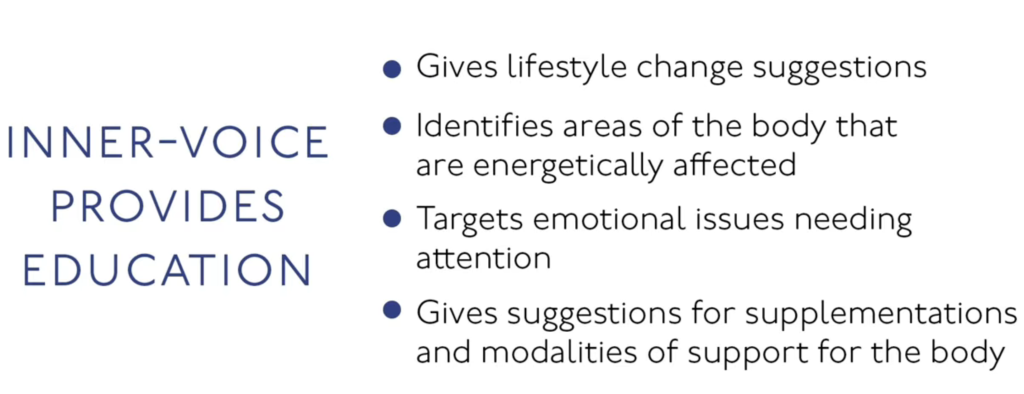
Inner Voice uses voice analysis to generate a personalized report of emotional themes and associated wellness information.
The report may include:
- Emotional patterns suggested for reflection.
- Areas of the body associated with those emotional themes within the AO framework.
- Lifestyle change suggestions.
- Nutritional and supplementation suggestions.
- Potential contributing factors for further exploration.
- Supportive colors and musical notes.
- Sound frequencies for listening.
Why Emotional Wellness Matters
Emotional stress can influence physical well-being.
For example, ongoing stress can affect digestion, sleep, appetite, muscle tension, and the body’s stress-response systems.
The Inner Voice report provides an opportunity to explore the relationship between emotional experiences and everyday wellness habits.
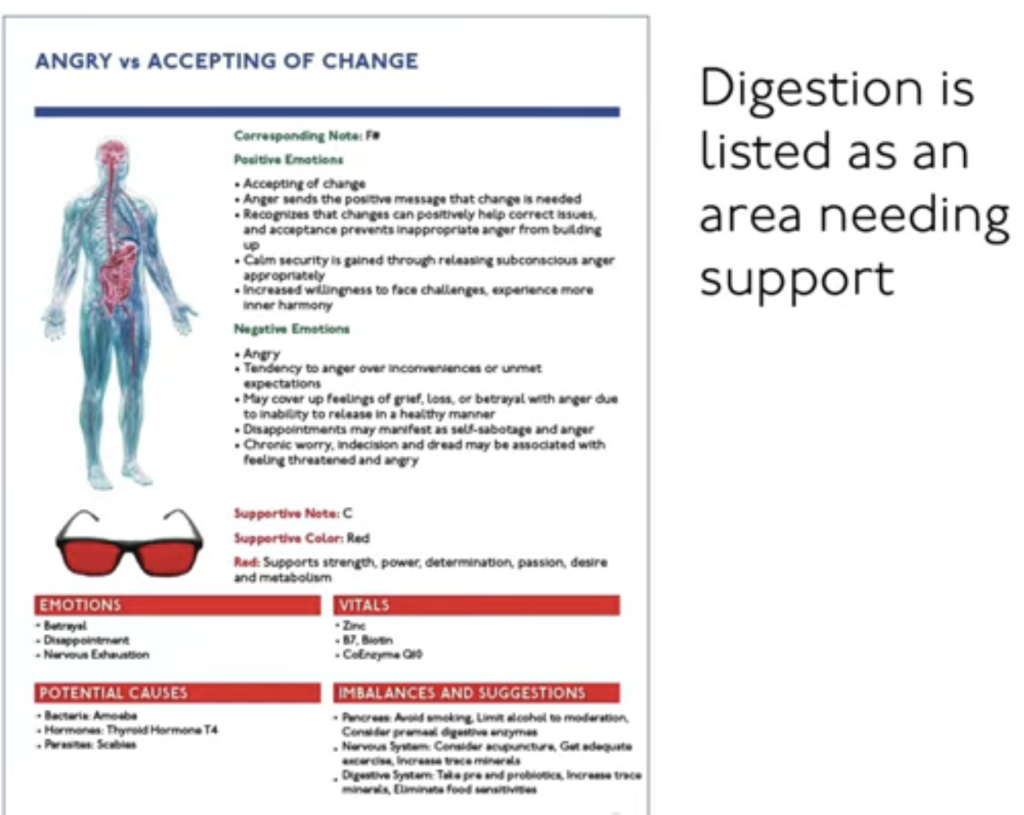
Example: Angry vs. Accepting of Change
An Inner Voice report may identify the emotional theme Angry vs. Accepting of Change.
This theme encourages reflection on how someone responds to unexpected changes, disappointments, uncertainty, or circumstances outside their control.
The associated report may include:
Emotional themes
- Anger
- Disappointment
- Nervous exhaustion
- Feelings of betrayal
- Difficulty accepting change
Associated wellness categories
- Digestive system
- Nervous system
- Stress response
- Nutritional support
Possible lifestyle considerations
- Stress-management techniques
- Emotional awareness
- Relaxation and breathing exercises
- Balanced nutrition
- Hydration
- Healthy sleep habits
An important distinction: an Inner Voice result is not a clinical measurement of a person’s emotions or proof that an emotion has caused an organ problem. It provides themes to explore.
2. Understanding Stress and the Adrenal Connection
The adrenal glands are an important part of the body’s stress-response system.
They produce hormones involved in responding to stress and regulating important physiological functions.
Cortisol
Cortisol participates in:
- The body’s response to stress
- Blood glucose regulation
- Metabolism
- Immune and inflammatory regulation
- Normal daily sleep-wake rhythms
Aldosterone
Aldosterone helps regulate:
- Sodium balance
- Potassium balance
- Blood volume
- Blood pressure
- Fluid balance
How Stress Can Influence Digestion
The brain and digestive system communicate through the gut-brain axis.
During periods of stress, changes in nervous system activity may affect:
- Gastric motility
- Intestinal motility
- Digestive sensations
- Appetite
- Bowel habits
- Gut sensitivity
For some individuals, stress may contribute to constipation, diarrhea, abdominal discomfort, or bloating.
This creates an important connection when exploring an emotional theme alongside digestive-related categories in Vitals.
However, stress does not automatically mean someone has adrenal dysfunction, depleted trace minerals, low stomach acid, or insufficient digestive enzymes. Those possibilities require appropriate assessment.
Try AO SCAN for one month – use for yourself and/or your whole family – cancel anytime
3. Vitals: Exploring Digestive Function
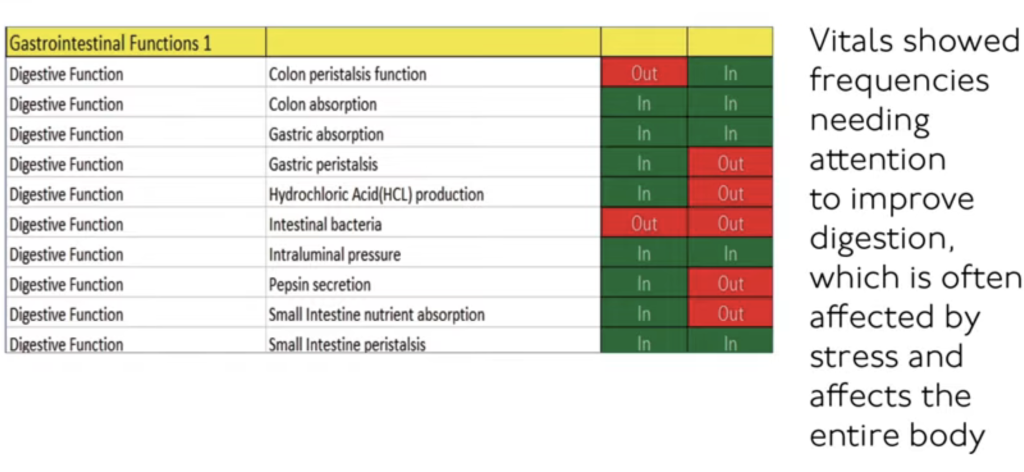
Vitals contains numerous categories related to digestive processes.
These categories can be reviewed alongside the emotional themes identified in Inner Voice.
Gastrointestinal Functions
Examples include:
Colon Peristalsis
Peristalsis is the coordinated muscular movement that helps move material through the digestive tract.
Changes in normal intestinal motility may contribute to constipation or diarrhea.
Colon Absorption
The colon absorbs water and electrolytes and helps form stool.
Gastric Peristalsis
The stomach uses muscular contractions to mix food with digestive secretions and move its contents toward the small intestine.
Hydrochloric Acid (HCl) Production
Stomach acid plays an important role in digestion, particularly protein digestion, and helps limit the survival of many ingested microorganisms.
Pepsin Secretion
Pepsin is an enzyme involved in breaking down dietary proteins in the stomach.
Small Intestine Nutrient Absorption
The small intestine is responsible for absorbing most nutrients from digested food.
Intestinal Bacteria
The digestive tract contains a complex community of microorganisms involved in digestion, metabolism, and immune interactions.
Understanding the Vitals Display
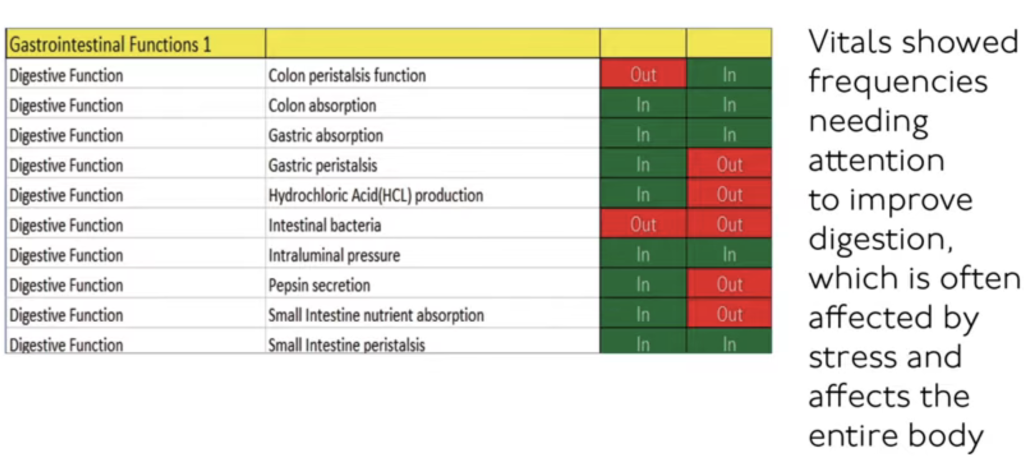
The example Vitals report uses two columns with green In and red Out indicators.
Within the AO Scan reporting system:
- In: A frequency result falls within the system’s designated range.
- Out: A frequency result falls outside that designated range.
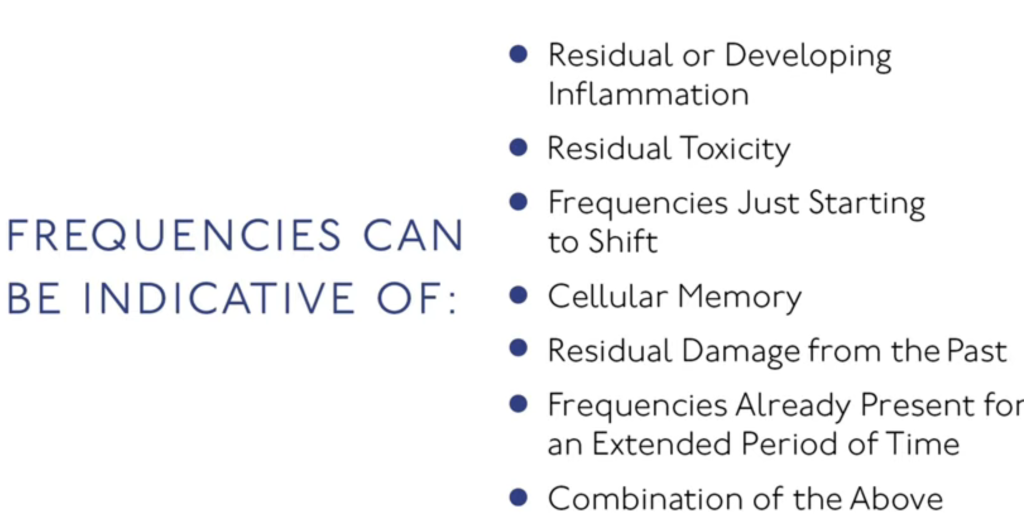
These indicators represent the software’s classification, not clinically established measurements of organ function.
For example, an Out result for intestinal bacteria does not confirm an infection, bacterial overgrowth, or microbiome imbalance.
Connecting the Findings
Example:
- Inner Voice identifies an emotional theme related to anger or difficulty accepting change.
- The associated suggestions mention digestive wellness.
- Vitals displays Out indicators for colon peristalsis and intestinal bacteria.
These results can guide a wellness conversation about stress, digestion, diet, hydration, and symptoms.
Questions worth exploring include:
- Is the individual experiencing constipation, diarrhea, or bloating?
- Have dietary habits changed?
- Is the person under significant stress?
- Is hydration adequate?
- Are there any food intolerances or digestive symptoms?
- Are there persistent symptoms that warrant medical evaluation?
The important skill is connecting the information without assuming that the frequency results establish a diagnosis.
4. Candida and Intestinal Microorganisms
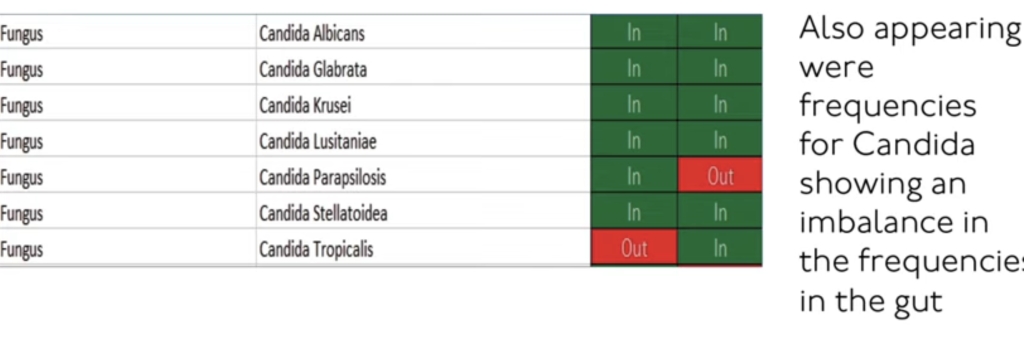
Vitals includes categories for various microorganisms, including several Candida species.
Examples shown in the report include:
- Candida albicans
- Candida glabrata
- Candida krusei
- Candida lusitaniae
- Candida parapsilosis
- Candida stellatoidea
- Candida tropicalis
Understanding Candida
Candida is a group of yeasts. Certain Candida species may naturally occur in or on the human body without causing illness.
Under some circumstances, Candida can cause infections.
The presence of a Candida category in a Vitals report does not establish that an individual has Candida overgrowth or infection.
Digestive Wellness Considerations
When reviewing these categories, it may be useful to explore:
- Dietary variety and fiber intake
- Digestive symptoms
- Recent antibiotic use
- Existing medical conditions
- Other factors that may affect gastrointestinal health
The balance of microorganisms in the gut is complex. There is no scientifically established universal requirement that the microbiome contain exactly 85% beneficial bacteria and 15% harmful bacteria.
Key principle: Frequency results can be used as prompts for wellness education, while suspected infections require appropriate clinical testing.
5. Digestive Enzymes and Nutrient Breakdown
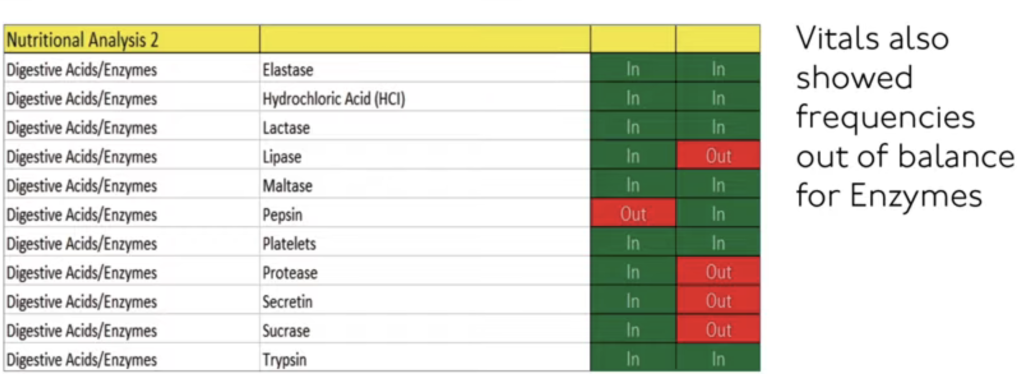
The Vitals Nutritional Analysis section contains categories associated with digestive acids and enzymes.
Understanding what these substances do helps explain the relationships between different parts of the digestive system.
Important Digestive Enzymes and Substances
Hydrochloric Acid (HCl)
Produced in the stomach, hydrochloric acid helps create the acidic environment needed for normal digestion.
Pepsin
An enzyme that helps break proteins into smaller fragments in the stomach.
Protease
A general term for enzymes that break down proteins.
Lipase
Helps break down dietary fats.
Lactase
Helps digest lactose, the sugar naturally present in milk.
Maltase
Helps break down maltose into glucose.
Sucrase
Helps break down sucrose into glucose and fructose.
Trypsin
A pancreatic enzyme involved in protein digestion in the small intestine.
Elastase
An enzyme produced by the pancreas that participates in protein digestion. Stool elastase testing may also be used clinically to evaluate pancreatic exocrine function.
Secretin
A digestive hormone that helps stimulate bicarbonate secretion from the pancreas. It is not itself a digestive enzyme.
Why These Categories Matter
Normal digestion depends on coordinated activity among:
- The stomach
- The pancreas
- The liver
- The gallbladder
- The small intestine
- Digestive hormones and enzymes
An issue affecting one part of this process may influence another.
For example, pancreatic enzymes and bile both contribute to normal fat digestion in the small intestine.
When reviewing AO Scan results, understanding these physiological relationships helps practitioners ask better questions and identify appropriate educational resources.
An Out indicator for an enzyme does not establish an enzyme deficiency or justify supplementation by itself.
6. Intelligent Scan Combined: Bringing the Information Together
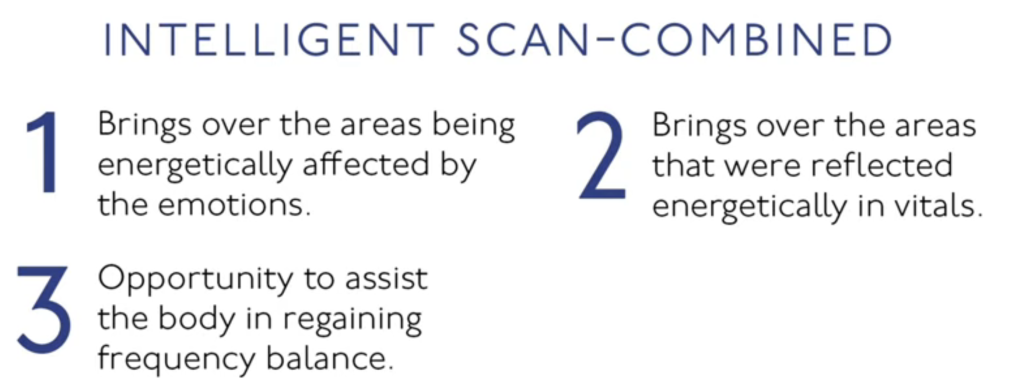
Intelligent Scan Combined is designed to integrate information from multiple AO Scan categories.
Its three primary purposes within the AO system are:
1. Bringing forward areas associated with emotional patterns
Information connected to Inner Voice is incorporated into the combined process.
2. Bringing forward areas reflected in Vitals
Categories identified through Vitals are included for further review.
3. Providing an opportunity for frequency-based optimization
The system offers frequency-based optimization intended to support the AO wellness approach.
Clinical effectiveness for restoring physiological balance or treating medical conditions has not been established.
Understanding the Relationship
The reporting sequence can be viewed as:
Inner Voice → Vitals → Intelligent Scan Combined
Inner Voice introduces emotional themes and wellness suggestions.
Vitals provides additional frequency-based categories associated with physiological functions.
Intelligent Scan Combined brings selected information together for a broader educational view.
The value of learning this process is understanding how different wellness topics relate, rather than examining each report in isolation.
7. Understanding the Numbers in Comprehensive Reports
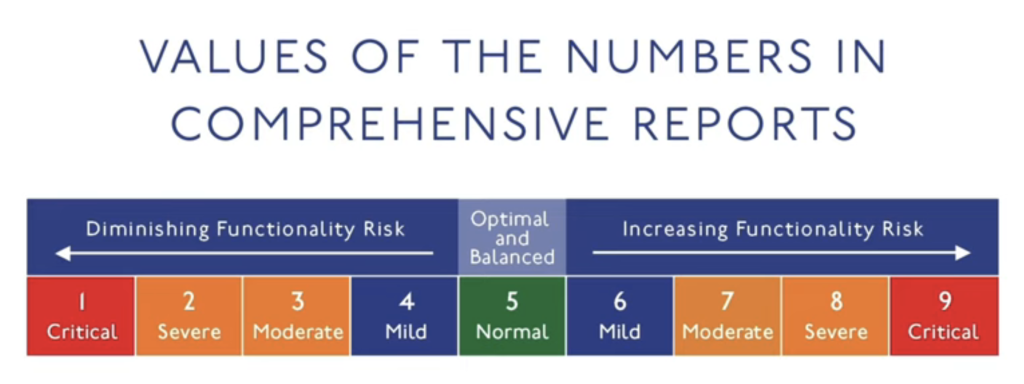
One of the most important skills in reading Comprehensive reports is understanding the AO Scan numerical scale.
The system uses values from 1 through 9, with 5 representing the central or balanced classification.
AO Scan Comprehensive Scale
| Value | AO classification |
|---|---|
| 1 | Critical |
| 2 | Severe |
| 3 | Moderate |
| 4 | Mild |
| 5 | Normal / Balanced |
| 6 | Mild |
| 7 | Moderate |
| 8 | Severe |
| 9 | Critical |
Values 1–4
These values appear on the left side of the scale.
The AO framework describes this direction as diminishing functionality risk, with values farther from 5 representing greater deviation from the designated balance point.
The training framework also associates lower-numbered results with reduced energetic activity and potentially longer-standing patterns.
Value 5
Five represents the center of the scale and is classified as normal or balanced within the software.
Values 6–9
These values appear on the right side of the scale.
The AO framework describes this direction as increasing functionality risk.
Higher-numbered results are associated in the training framework with increased energetic activity and potentially acute or inflammatory patterns.
Important Interpretation Principles
- A 1 and a 9 both represent large deviations from the center.
- The direction of deviation is part of the AO reporting framework.
- Different categories may show results on opposite sides of the scale.
- A value of 5 does not medically confirm that an organ is healthy.
- A value of 1 or 9 does not medically establish organ damage, inflammation, or disease.
The numbers are proprietary AO Scan classifications, not validated clinical severity scores.
8. Comprehensive Example: Connecting the Digestive System
The digestive system provides an excellent example of how multiple organs work together.
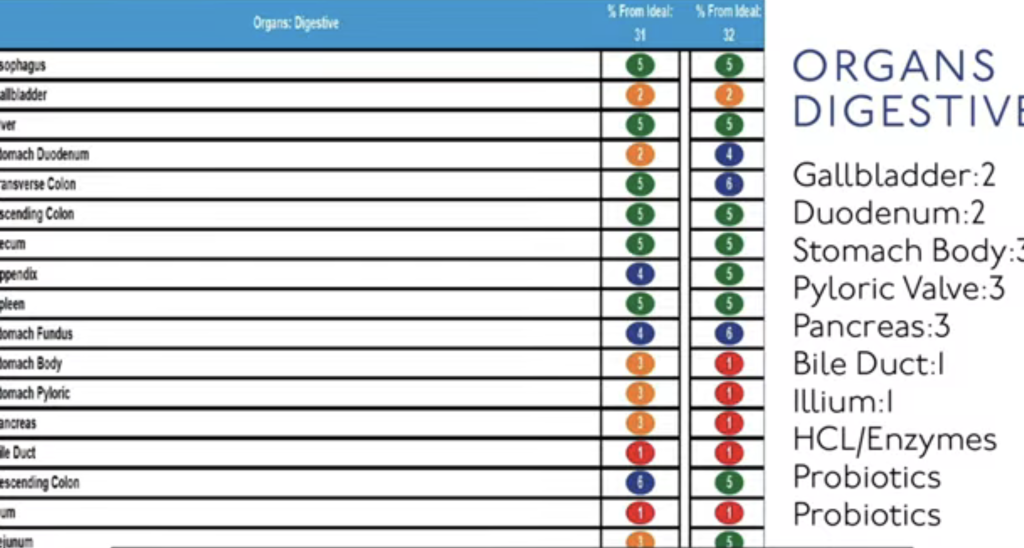
The sample Comprehensive report highlights several digestive structures.
Gallbladder — Value 2
The gallbladder stores and concentrates bile produced by the liver.
Bile is released into the small intestine to assist with fat digestion.
A value of 2 represents a severe deviation on the lower side of the AO Scan scale.
This does not confirm reduced gallbladder function, gallstones, or a bile-flow disorder.
Duodenum — Value 2
The duodenum is the first portion of the small intestine.
It receives partially digested food from the stomach along with pancreatic secretions and bile.
It is an important location for chemical digestion.
Stomach Body — Value 3
The body of the stomach contributes to:
- Gastric acid production
- Digestive enzyme secretion
- Mixing food with gastric juices
- Beginning protein digestion
Pyloric Region — Value 3
The pylorus controls the passage of stomach contents into the duodenum.
Proper coordination helps regulate gastric emptying.
Pancreas — Value 3
The pancreas has important digestive and endocrine functions.
Its digestive functions include producing enzymes that help break down proteins, fats, and carbohydrates.
Its endocrine functions include producing hormones such as insulin and glucagon.
Bile Duct — Value 1
The bile ducts transport bile from the liver and gallbladder toward the small intestine.
The sample result falls at the far left of the AO scale.
It is not evidence of a blocked bile duct or any specific disease.
Ileum — Value 1
The ileum is the final portion of the small intestine.
It plays an important role in absorbing nutrients, including vitamin B12 and bile acids.
Connecting These Digestive Structures
Consider how food moves through the digestive system:
- Food enters the stomach, where it mixes with acid and digestive secretions.
- The stomach gradually releases its contents through the pylorus.
- Food enters the duodenum.
- The pancreas releases digestive enzymes and bicarbonate.
- Bile enters the small intestine to assist with fat digestion.
- Digestion and nutrient absorption continue through the small intestine.
- Remaining material moves into the colon for further processing.
Understanding this sequence helps explain why digestive symptoms may involve multiple organs and processes.
The Comprehensive report organizes these anatomical categories, while clinical evaluation determines whether an actual functional problem exists.
9. Using 3D Anatomy to Strengthen Understanding
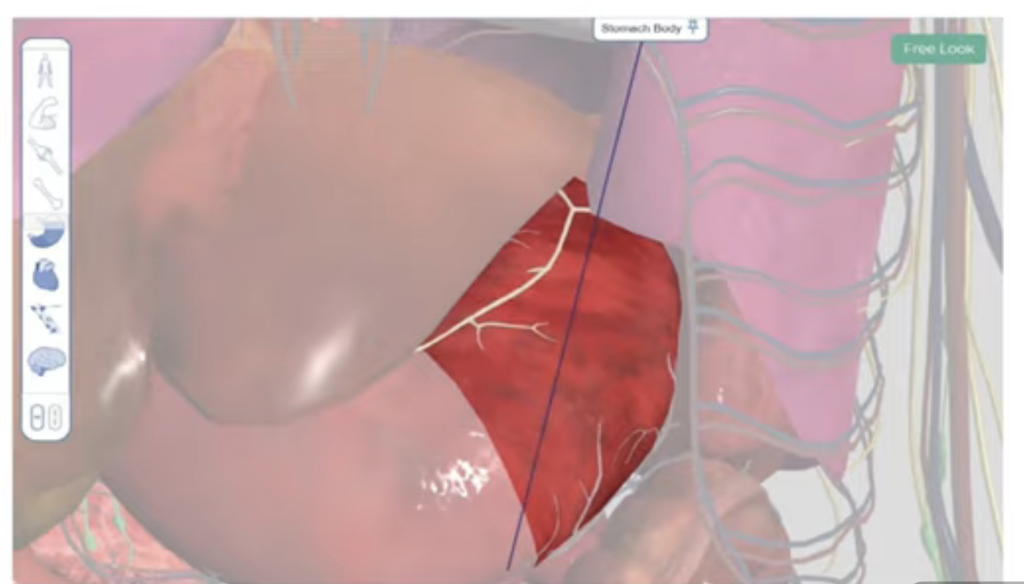
The 3D anatomy feature is an important educational resource.
It allows users to visualize anatomical structures and explore their relationships.
Depending on the available model and controls, users can:
- Rotate anatomical structures.
- Zoom in and out.
- Identify organs and surrounding tissues.
- Explore anatomical locations.
- Examine relationships between different body systems.
Examples
Stomach
Explore the stomach’s location, structure, and relationship to the esophagus, duodenum, liver, and pancreas.
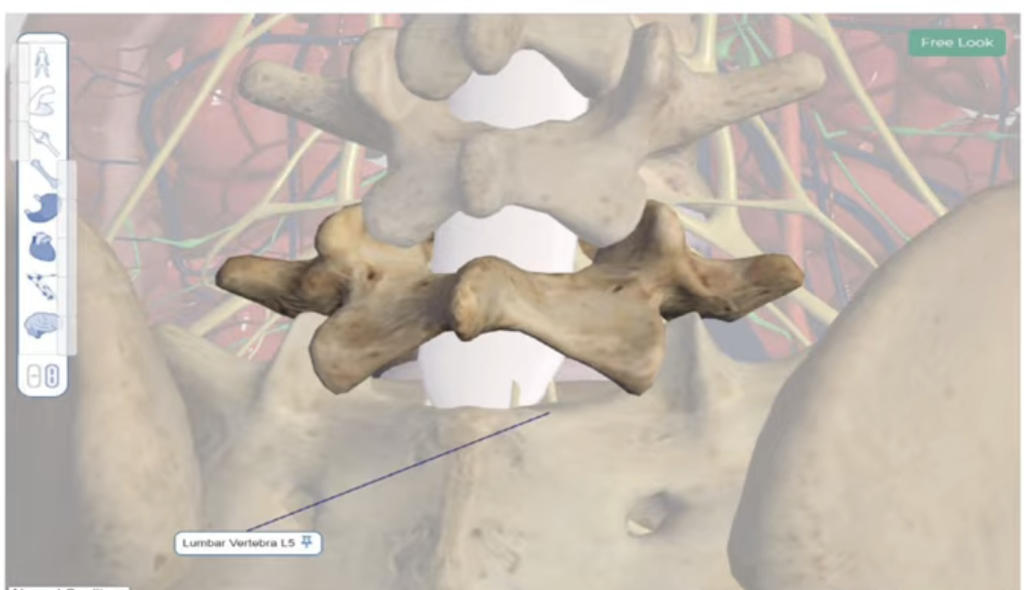
Lumbar Spine
Explore the lumbar vertebrae, including L5, and their relationship to surrounding spinal structures.
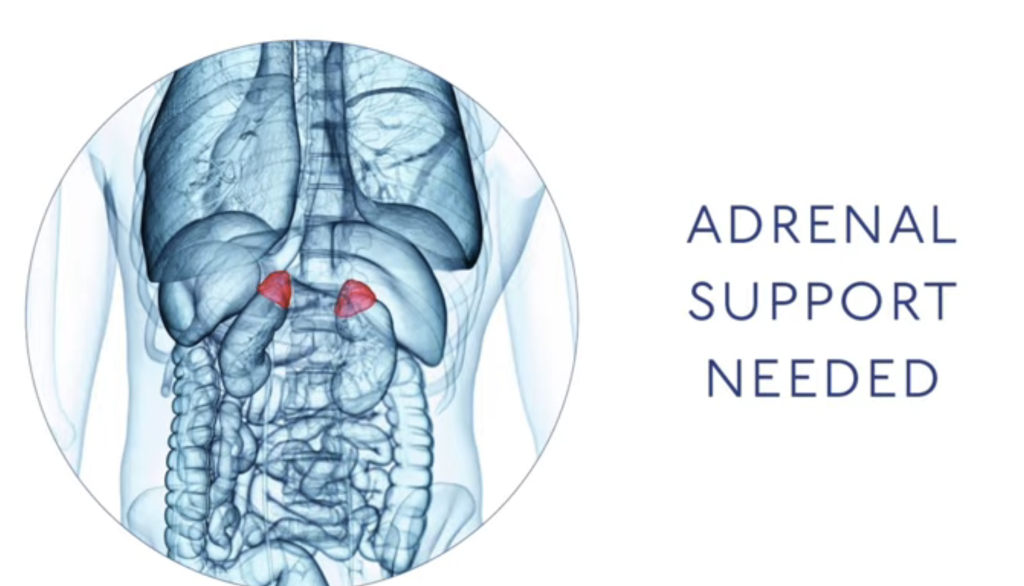
Adrenal Glands
Locate the adrenal glands above the kidneys and learn about their role in hormone production.
Educational Application
The 3D feature is particularly useful when encountering unfamiliar anatomical terms.
Understanding where a structure is located and what it does makes the information in AO Scan reports easier to organize and explain.
try AO SCAN today for 1 month – cancel anytime
10. Connecting Emotional Wellness, Digestion, and Lifestyle
Consider the complete example:
Inner Voice
Identifies the theme of anger versus acceptance of change, with digestive wellness among the associated suggestions.
Vitals — Gastrointestinal Functions
Displays Out indicators in categories such as colon peristalsis and intestinal bacteria.
Vitals — Microorganisms
Includes Candida-related categories with some Out indicators.
Vitals — Nutritional Analysis
Displays Out indicators for selected digestive enzymes.
Comprehensive
Shows several digestive structures with values below the central AO balance point.
What Can Be Learned?
These results create a consistent topic of interest within the AO Scan reporting system: digestive wellness.
They do not independently confirm the presence of a digestive disorder, and agreement between the reports does not establish clinical validation because the categories are part of the same proprietary system.
The information can, however, provide a structured starting point for a wellness discussion.
Lifestyle Areas Worth Exploring
Nutrition
Consider overall dietary quality, adequate protein, fiber, and a variety of nutrient-rich foods.
Hydration
Review daily fluid intake in relation to individual needs.
Stress Management
Explore emotional regulation, relaxation, breathing exercises, prayer or meditation according to personal preference, and supportive relationships.
Sleep
Encourage consistent sleep routines and adequate rest.
Movement
Regular physical activity can support overall wellness and normal gastrointestinal function.
Digestive Support
Review symptoms and dietary patterns before considering supplements. Hydrochloric acid, digestive enzymes, probiotics, and other products should not be selected solely from AO Scan results.
11. Developing Stronger AO Scan Interpretation Skills
Becoming proficient with AO Scan involves developing a systematic approach to reviewing the reports.
Step 1: Begin With Inner Voice
Review the emotional themes, associated body categories, and suggested lifestyle considerations.
Step 2: Explore Vitals
Look for categories related to the same wellness topic.
For example, when digestion is highlighted, explore gastrointestinal functions, digestive enzymes, and nutritional categories.
Step 3: Review Comprehensive
Identify anatomical structures associated with the topic and understand their normal functions.
Step 4: Use the 3D Anatomy Feature
Explore unfamiliar structures and learn how they connect with surrounding organs and systems.
Step 5: Consider the Whole Person
Discuss relevant lifestyle habits, emotional stressors, nutrition, hydration, sleep, and any symptoms.
Step 6: Monitor Meaningful Changes
When conducting repeat scans, compare the software’s reported values while also paying attention to meaningful real-world information, such as changes in symptoms, energy, sleep, dietary habits, and overall well-being.
Changes in AO Scan numbers alone do not establish medical improvement.
Step 7: Continue Learning
Study anatomy, physiology, nutrition, and the relationships between body systems.
The more familiar you become with normal body functions, the easier it becomes to understand the terminology and categories used in the reports.
Key Takeaways
Inner Voice, Vitals, and Intelligent Scan Combined are designed to be explored together.
Inner Voice introduces emotional themes and wellness suggestions.
Vitals organizes frequency-based results across numerous physiological categories.
Intelligent Scan Combined integrates selected information for additional exploration and frequency-based optimization.
Comprehensive provides a numerical classification system for categories associated with organs, glands, and body systems.
The 3D anatomy feature helps users visualize structures and deepen their understanding of the body.
The goal is to connect the dots, recognize relationships, ask informed questions, and develop a more complete understanding of whole-body wellness.
The human body is interconnected. Learning how the organs, glands, nervous system, digestive system, and emotional stress response influence one another builds a stronger foundation for meaningful wellness education.
Educational disclaimer: AO Scan is a wellness-oriented, frequency-based system. Its reports are not established diagnostic tests and should not be used to identify infections, measure nutrient deficiencies, determine organ dysfunction, or replace medical evaluation. The frequency classifications and optimization claims described here reflect the AO system’s framework rather than independently established clinical findings.